Joint Pain Physio Sydney
Your trusted arthritis and joint pain physio in Sydney
Living with joint pain can be frustrating and exhausting. Whether it’s a dull ache, a swollen or painful joint, or the sharp flare of arthritis pain, these symptoms often interfere with work, sport, and even the simplest everyday tasks.
At EastWest Physiotherapy, we provide expert, compassionate care for patients experiencing joint pain or arthritis. We offer personalised treatment plans designed to relieve pain, restore movement, and support a more active and independent life.
If you’re searching for a trusted joint pain physio in Sydney, our clinic is here to help.
Understanding joint pain
Joint pain can occur at any age and may result from injury, inflammation, or long-term wear and tear. It often presents as stiffness, tenderness, swelling, or a tingling sensation in the affected area. Pain may come and go or persist as part of a chronic condition.
Some common causes of joint pain include:
- Arthritis – both osteoarthritis and rheumatoid arthritis
- Sporting or workplace injuries, such as ligament sprains or cartilage damage
- Overuse injuries causing irritation of surrounding muscles and nerve endings
- Inflammatory conditions such as spondyloarthritis or synovitis
- Traumatic injuries such as joint dislocation or fractures.
Because arthritis affects people differently, and joint pain can have many contributing factors, an accurate diagnosis and tailored treatment plan are essential for long-term improvement.
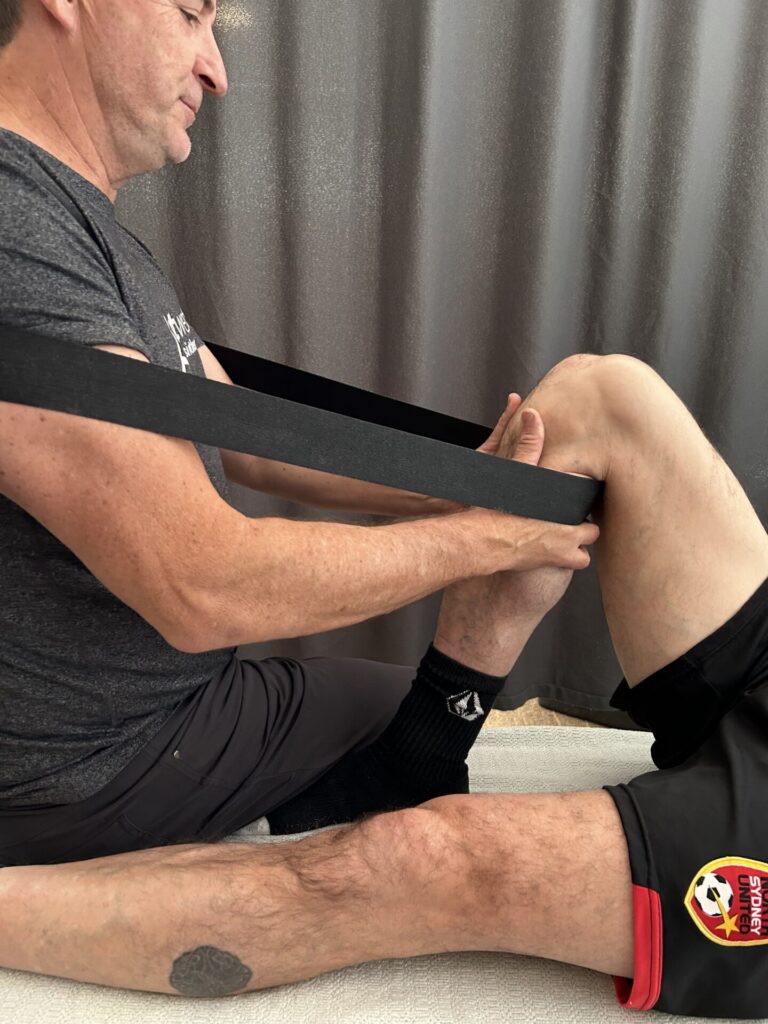
Arthritis and its impact

Arthritis is one of the most common causes of persistent joint pain. It is not just a condition of “wear and tear” — research now recognises arthritis as an inflammatory or autoimmune condition affecting the joints’ healing process.
- Osteoarthritis: Often related to age, overuse, or past injuries, leading to cartilage breakdown and painful, stiff joints.
- Rheumatoid arthritis: An autoimmune condition that causes inflammation in multiple joints, often leading to swelling, fatigue, and tired muscles.
- Other types: Fibromyalgia, frozen shoulder, and meniscal or labral injuries, all of which require specific care.
If left untreated, arthritis may lead to reduced physical function, increased stiffness, and the need for more invasive interventions from an orthopaedic surgeon. The good news is that physiotherapy for arthritis can play a major role in slowing progression, managing symptoms, and helping patients feel confident in staying active.
How physiotherapy helps joint pain and arthritis
At EastWest Physiotherapy, we provide joint pain physio that goes beyond temporary symptom relief. Our focus is on addressing both the immediate pain and the underlying cause. A personalised treatment plan may include:
- Manual therapy to reduce stiffness, improve circulation, and relax tense muscles
- Joint mobilisation to improve the range of motion in affected joints
- Specific exercises to improve muscle strength and stability
- Education and general advice on lifestyle strategies, posture, and activity modification
- Pain management techniques including ice packs to soothe hot, swollen joints and heat to ease stiffness.
We aim to help you regain mobility, reduce pain, and safely return to everyday activities.

Our holistic approach to arthritis physiotherapy
Because arthritis affects every individual differently, our approach combines multiple therapies to support both short-term recovery and long-term health. This may include:
- Stretching exercises to keep joints flexible and maintain general fitness
- Low-level laser therapy to promote tissue healing and manage inflammation
- Dry needling or acupuncture to reduce muscle spasm and support the healing process
- The use of tens machines or a small electronic device for pain modulation by interrupting pain messages sent to the brain
- Guidance on assistive devices, such as walking aids or braces, when needed
- Advice on healthy weight management and losing weight to reduce pressure on painful joints.
Integrating these methods with a structured, regular exercise program ensures treatment is balanced, progressive, and targeted to your unique needs.
The role of exercise in arthritis management
Many people worry that exercise will make painful joints worse. In fact, the right type and amount of exercise is one of the most effective ways to reduce pain, strengthen muscles, and improve function.
- Low-impact physical activity such as walking, swimming, or cycling
- Strengthening programs to support tired muscles and stabilise joints
- Flexibility and stretching routines to maintain the range of motion
- Aerobic exercises for overall general fitness and wellbeing.
The aim is to keep you moving, build resilience in your affected joints, and support an active and independent life.
What to expect from your arthritis and joint pain physiotherapy
When you access physiotherapy services at EastWest, you can expect a thorough and supportive process.
Step 1: Initial Assessment
We begin with a detailed assessment of your condition, including your medical history and daily activities, and we assess movement in the affected joints. This helps us identify the key issues and set appropriate goals.
Step 2: Personalised Treatment Plan
A customised treatment plan is developed to target your symptoms, improve physical function, and build long-term resilience. This may involve manual therapy, structured exercises, and practical strategies for your daily life.
Step 3: Ongoing Rehabilitation
As you progress, we’ll gradually increase the intensity of your program, helping you confidently perform exercises. This step-by-step progression supports the healing process and reduces the risk of flare-ups.
Step 4: Guidance & Education
We provide ongoing education so you can understand your condition, make positive lifestyle changes, and feel confident about managing your symptoms. From tips on pacing physical activity to strategies for pain relief, we give you the tools to take control of your health.
Step 5: Long-term Support
Joint pain and arthritis often require ongoing management. Our team offers ongoing support with regular reviews, adjustments to your plan, and collaboration with other healthcare professionals, such as your GP, occupational therapist, or orthopaedic surgeon, when required.
Take the first step towards less pain and better movement
Don’t let arthritis pain or joint pain hold you back from the life you want to live. With the proper guidance and a tailored treatment plan, it is possible to improve mobility, regain confidence, and feel more in control of your health.
Book an appointment with EastWest Physiotherapy today to start your journey towards long-term pain relief and better function.