
Physio For Nerve Pain Sydney
Connect with an experienced physio for nerve pain in Hunters Hill
You may feel a sharp jolt down your leg. Burning through your shoulder. Pins and needles in your hand. Numbness in your foot. Or pain that moves, spreads, or refuses to settle, no matter how much you stretch.
Nerve pain can be unsettling because it often does not behave like normal muscle or joint pain.
It may flare up when you sit, drive, sleep, bend, lift, turn your neck, or stay in one position too long. It may feel sensitive, weak, tight, heavy, or disconnected from the rest of your body.
At Eastwest Physiotherapy, we look at how your nerves, muscles, fascia, joints, and spine work together. The goal is not just to reduce pain for a few hours. It is to understand why the nerve is irritated, where the pressure is coming from, and what your body needs to move more comfortably again.
Book your free 10-minute physio advice telehealth and tell us what you’re feeling. We’ll connect you with an experienced nerve pain physio on our team, so you can feel confident moving forward.

When nerve pain doesn’t feel like normal pain
Nerve pain can feel confusing. One day it may sit in your back; the next day, it may travel into your buttock, leg, shoulder, arm, hand or foot.
That’s because nerves are part of a long communication system. They carry messages between the brain, the spinal cord, and the body. When a nerve becomes irritated or compressed, symptoms can appear along its path, not only at the source.
Common symptoms of nerve pain can include:
- Shooting pain
- Burning pain
- Tingling
- Pins and needles
- Numbness
- Electric shock sensations
- Muscle weakness
- Pain that travels into the arm or leg
- Tight muscles around the irritated area
- Sensitivity to touch or pressure
- Reduced range of motion
- Discomfort when sitting, standing or sleeping
- Symptoms that change with neck or spine position
The painful area is important, but it may not be the whole story.
What causes nerve irritation?
Nerve irritation can happen when a nerve becomes compressed, stretched, inflamed, sensitised, or restricted by the tissues around it.
Sometimes the underlying cause is close to the spine. Other times, the nerve becomes further irritated along its pathway through muscles, fascia, joints, or narrow spaces in the body.
Common causes and contributing factors include:
- A pinched nerve in the neck or lower back
- Disc irritation or disc bulge
- Nerve root compression near the spine
- Tight muscles placing pressure on nerves
- Joint stiffness reducing normal movement
- Poor posture increasing load through the neck or back
- Repetitive strain from work, sport or exercise
- Swelling after injury
- Nerve sensitivity after prolonged pain
- Reduced mobility through the spine, hips or shoulders
- Weakness that changes how the body absorbs load
- Myofascial tension around the affected area
- Previous injury, surgery or immobilisation
Nerve pain rarely comes from a single factor. It often builds when several parts of the system stop moving well together.
How Eastwest assesses nerve pain

A good assessment should not rush to label the pain. A pinched nerve, sciatica, neuropathic pain and nerve compression can all feel similar, but they may need different treatment.
We assess how your nervous system responds to movement, pressure and load. We also check how the nearby joints, muscles and fascia may be contributing to the irritation.
Your physiotherapy assessment may include:
- Symptom history and aggravating movements
- Nerve tension testing
- Muscle strength testing
- Reflex and sensation checks where relevant
- Spinal range of motion
- Joint mobility assessment
- Postural assessment
- Myofascial tension patterns
- Movement and loading tests
- Screening for symptoms that may need medical review
The aim is to determine whether symptoms are driven by the nerve root, the spine, tight muscles, restricted joints, local swelling, poor load tolerance, or a combination of factors.
Our 3-step approach to nerve pain
We use a practical model for nerve pain: Release, Restore, Retrain.
This gives treatment a clear order. First, we calm the system. Then we restore movement. Then we build strength and tolerance so the problem is less likely to keep returning.

Step 1:
When the nervous system feels threatened, the body often protects itself. Muscles tighten. Joints stiffen. Movement becomes guarded. Pain signals can become louder.
The first step is to reduce tension around the irritated nerve and calm the surrounding tissues.
Treatment may include:
- Manual therapy
- Myofascial release
- Soft tissue techniques
- Joint mobilisation
- Dry needling where appropriate
- Gentle nerve mobility work
- Breathing and down-regulation strategies
- Positioning advice to reduce discomfort
This stage is about helping the body feel safe enough to move again.


Step 2:
Once symptoms begin to settle, the next step is to restore movement through the affected area.
If a nerve is irritated, forcing a stretch isn’t always helpful. The goal is controlled movement, not aggressive pulling.
Treatment may focus on:
- Improving spinal mobility
- Restoring hip, shoulder or neck movement
- Reducing protective muscle guarding
- Improving nerve glide and mobility
- Rebuilding range of motion
- Reducing pressure through the affected area
- Improving posture and load distribution
This stage helps the nerve move more freely through the surrounding tissues.


Step 3:
Pain often changes how you move. You may avoid bending, turning, lifting, sitting, walking or using one side of your body.
Retraining helps rebuild confidence, strength and control.
Your treatment plan may include:
- Targeted exercises
- Strength work for weak or inhibited muscles
- Postural retraining
- Nerve-friendly mobility exercises
- Gradual loading
- Return-to-work or return-to-sport planning
- Home exercises matched to your symptoms
The aim is not to push through severe pain. The aim is to build capacity without repeatedly irritating the nerve.

Conditions we help with
Nerve issues can affect the neck, back, shoulders, arms, hands, hips, legs or feet. The symptoms may feel similar, but the cause and treatment plan can be very different.
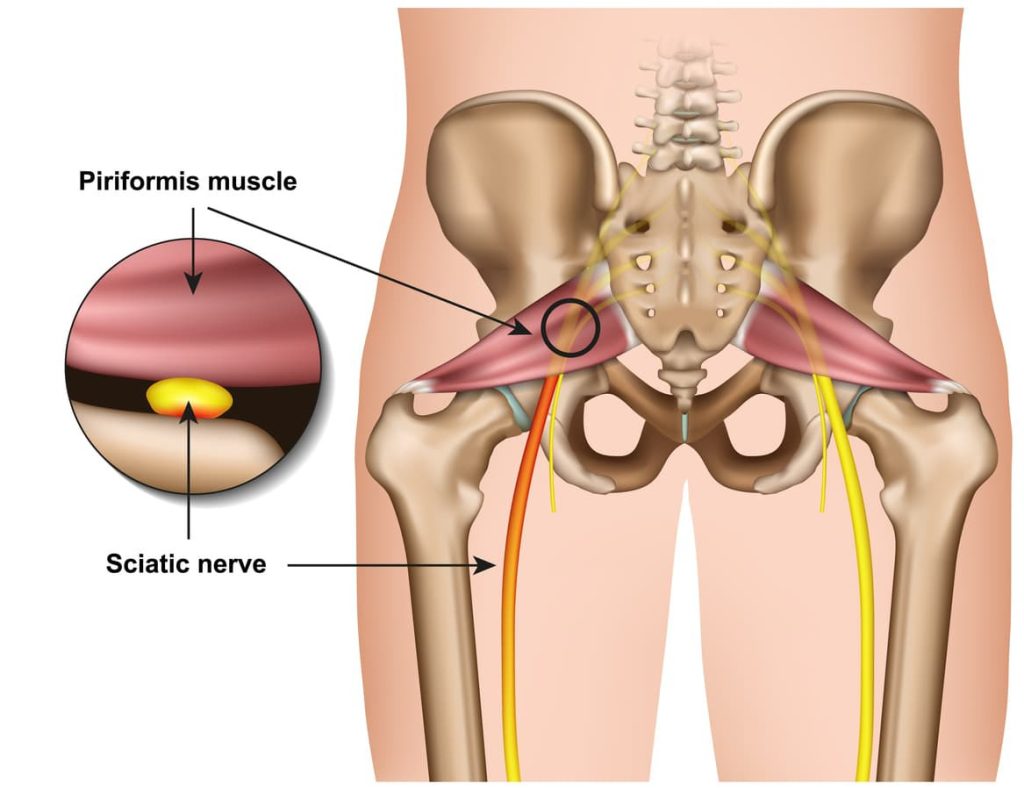
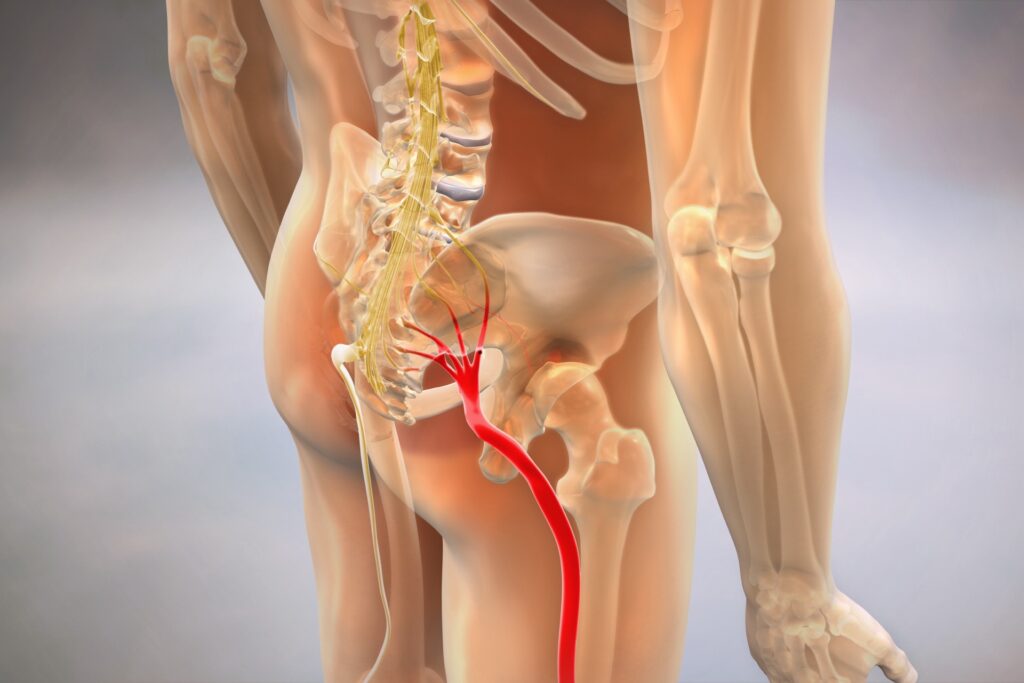
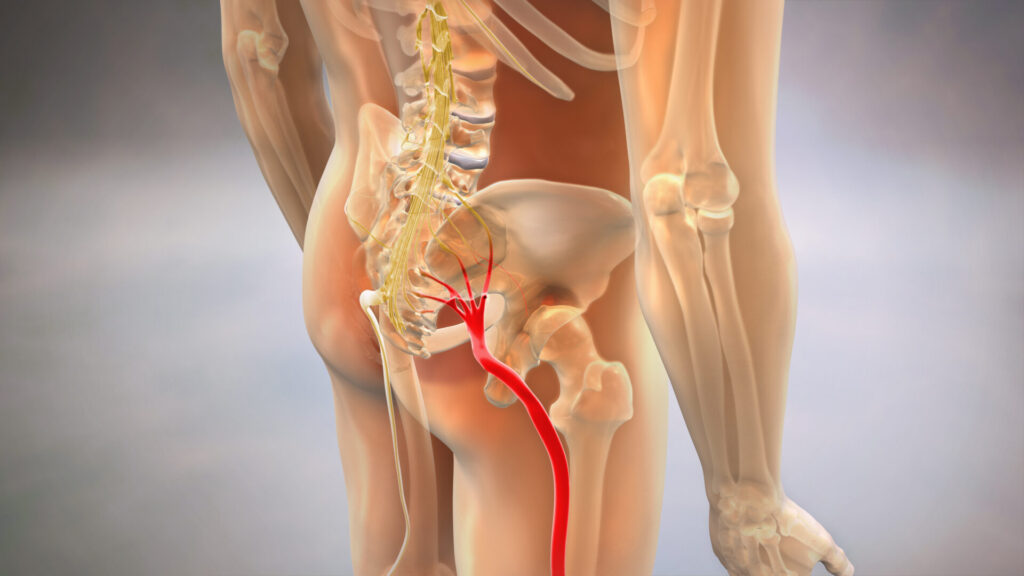
Sciatica can feel like pain running from the lower back or buttocks into the leg. Some people feel a deep ache. Others feel shooting pain, burning, tingling, numbness or weakness.
The sciatic nerve is large and travels from the lower spine through the buttocks and down the leg. Symptoms often occur when a nerve root in the lower back becomes irritated or compressed.
Common causes and contributing factors:
- Disc irritation or disc bulge
- Nerve root compression in the lower spine
- Joint stiffness in the lower back
- Tight muscles around the hip or pelvis
- Reduced mobility through the spine
- Prolonged sitting
- Lifting or bending under load
- Poor load tolerance after injury
- Swelling or inflammation around the nerve
- Hip and pelvic movement patterns
How we assess it:
We look at how your lower back, pelvis, hips and legs move together.
This may include nerve tension tests, strength checks, spinal movement testing, hip mobility assessment and gait observation. We also look at what makes the symptoms travel further down the leg or ease back towards the spine. That pattern gives important clues.
Our approach:
Early treatment focuses on reducing nerve irritation and helping you find positions that reduce pain. This may include manual therapy, myofascial release, joint mobilisation, gentle nerve mobility work and advice on sitting, walking, sleeping and lifting.
As symptoms improve, we introduce targeted exercises to restore mobility, rebuild strength and improve load tolerance through the spine, hips and legs.
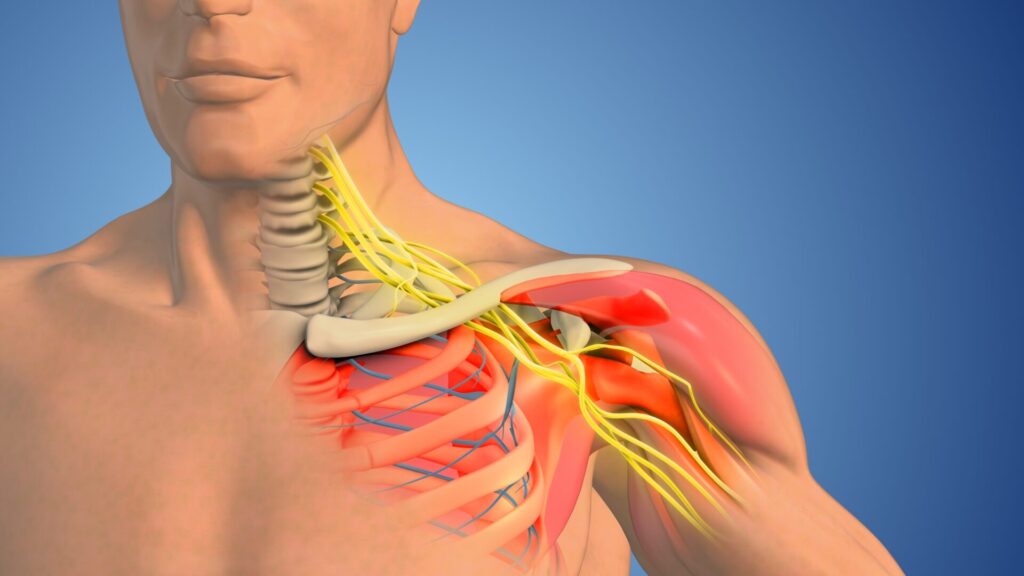
A pinched nerve in the neck can cause pain that travels into the shoulder, arm, hand or fingers. You may also feel tingling, numbness, weakness or a heavy sensation in the arm.
The pain may change when you turn your head, look down, use a computer, drive, sleep, or lift your arm.
Common causes and contributing factors:
- Nerve root irritation in the neck
- Disc irritation
- Joint stiffness in the cervical spine
- Muscle guarding around the neck and shoulders
- Poor workstation posture
- Repetitive lifting or overhead work
- Reduced upper back mobility
- Tight muscles around the scalene, chest or shoulder region
- Previous whiplash or neck injury
How we assess it:
We assess your neck, upper back, shoulders, arms, and hands as one system. This may include neck movement testing, nerve tension tests, muscle strength checks, joint mobility assessment and sensation testing where relevant.
We also look at how your symptoms respond to changes in posture, shoulder position and spinal movement.
Our approach:
Treatment may include manual therapy, joint mobilisation, myofascial release, dry needling where appropriate, nerve mobility work, and gentle range-of-motion exercises. We may also address upper back stiffness, shoulder mechanics and workstation habits if they are increasing pressure through the neck.
The aim is to reduce discomfort, improve mobility and help the irritated nerve settle.

Arm and hand symptoms can be frustrating because they often affect work, sleep, driving, exercise and daily tasks.
You may feel pins and needles, numbness, burning, weakness, clumsiness, changes in grip, or pain that travels from the neck, shoulder, elbow, or wrist.
Common causes and contributing factors:
- Nerve irritation from the neck
- Compression through the shoulder or chest region
- Tight muscles around the neck, pecs or forearm
- Repetitive desk work or gripping
- Wrist or elbow overload
- Poor shoulder blade control
- Swelling after injury
- Reduced mobility through the upper back
- Nerve entrapment along the arm
How we assess it:
We look at the full pathway of the nerve, which may include the neck, collarbone region, shoulder, elbow, forearm, wrist and hand. We assess where symptoms are reproduced and what movements relieve them.
This helps us understand whether the issue is coming from the spine, a local compression point, or a broader movement pattern.
Our approach:
Treatment may include soft-tissue therapy, joint mobilisation, myofascial release, nerve gliding, postural retraining, and targeted exercises.
We may also work on shoulder blade control, grip load, workstation setup or training habits depending on the underlying cause.
Neuropathic pain is nerve pain that can continue after nerves have been irritated, injured, compressed or sensitised.
It can feel different from normal tissue pain. Some people describe burning, cold, electric, prickling, crawling, or stabbing sensations, or hypersensitivity.
Common causes and contributing factors:
- Previous nerve injury
- Long-standing nerve irritation
- Surgery or trauma
- Disc-related nerve irritation
- Diabetes-related nerve changes
- Shingles-related nerve pain
- Persistent inflammation
- Nervous system sensitisation
- Ongoing pain that changes how the brain and body process signals
How we assess it:
We take time to understand the pattern. Neuropathic pain may not always follow a simple mechanical pattern. We assess movement, sensitivity, strength, function, sleep, stress, and how the symptoms behave across the day.
We also identify when symptoms may need medical input from a GP or relevant specialist.
Our approach:
Treatment focuses on calming the nervous system and improving safe movement. This may include gentle manual therapy, graded movement, education, breathing strategies, targeted exercises and pacing advice.
The goal is to reduce sensitivity, improve function and help you move with less fear and discomfort.
Sometimes nerves become irritated because the tissues around them are tight, guarded or overloaded.
A nerve needs space to move. If the surrounding muscles and fascia become restricted, the nerve may become more sensitive during movement.
Common causes and contributing factors:
- Protective muscle guarding
- Trigger points
- Myofascial tension
- Poor posture
- Repetitive strain
- Stress-related bracing
- Reduced mobility after injury
- Weakness causing other muscles to overwork
- Long periods of sitting or standing
How we assess it:
We assess how the muscles, fascia, joints and nerves interact. This may include hands-on assessment, movement testing, nerve tension testing and postural evaluation. We look for areas where the body is guarding or overloading.
Our approach:
Treatment may include myofascial release, manual therapy, joint mobilisation, dry needling where suitable, mobility work and strengthening. The aim is to reduce tension around the affected nerve and restore smoother movement through the whole system.
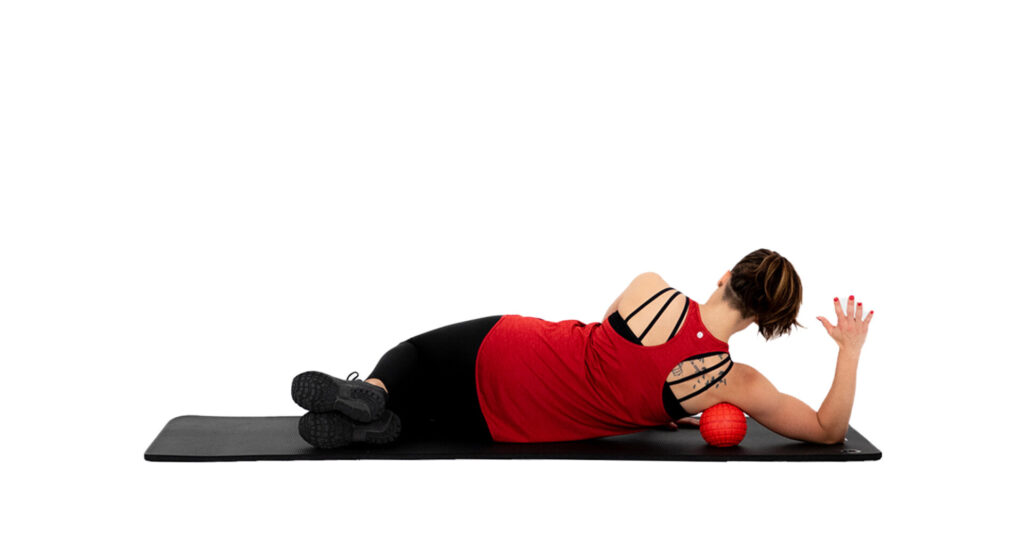
Nerve pain can appear after a fall, sports injury, lifting injury, surgery, fracture, sprain or prolonged immobilisation.
Sometimes the nerve is directly irritated. Other times, swelling, guarding, scar tissue, or altered movement increases pressure around the nerve.
Common causes and contributing factors:
- Swelling after injury
- Scar tissue or tissue sensitivity
- Protective muscle spasm
- Reduced joint mobility
- Altered movement patterns
- Immobilisation in a brace, boot or sling
- Weakness after reduced activity
- Nerve sensitivity following trauma
How we assess it:
We look at the injured area and the surrounding regions. For example, nerve symptoms after an ankle injury may require assessment of the foot, calf, knee, hip and lower back. Symptoms after a shoulder injury may require assessment of the neck, upper back, shoulder blade and arm.
Our approach:
Treatment may include swelling management, manual therapy, joint mobilisation, nerve mobility work, strength rebuilding and graded return to activity. The aim is to reduce irritation while restoring normal movement and load.
Can nerve pain physiotherapy really help?
Physio can help many people with nerve pain, especially when symptoms are linked to nerve compression, nerve irritation, joint restriction, muscle tension, posture, movement patterns or reduced load tolerance.
A qualified physiotherapist can assess how your symptoms present and create a treatment plan tailored to your presentation.
Nerve pain physiotherapy may help to:
- Reduce pain
- Reduce discomfort
- Relieve pressure around irritated nerves
- Improve mobility
- Improve range of motion
- Reduce tension in tight muscles
- Restore strength where muscle weakness is present
- Improve how the spine, joints and muscles move together
- Build confidence with movement
- Reduce the risk of repeated flare-ups
The right approach depends on the underlying cause.
Why choose Eastwest Physiotherapy for nerve pain?
At EastWest Physiotherapy, your appointment is 100% one-on-one. We take the time to assess how your nervous system, muscles, fascia, joints, and spine are interacting.
We do not treat nerve pain as a single tight muscle or one irritated joint. We look at the whole pattern, then use hands-on treatment and targeted exercises to help calm symptoms, restore movement and build strength.
Our approach may include:
- Manual therapy
- Myofascial release
- Joint mobilisation
- Dry needling where appropriate
- Nerve mobility exercises
- Strength and mobility training
- Postural retraining
- Load management
- Home exercises
- Referral guidance where medical imaging or further review is needed
Take the first step towards nerve pain relief
If nerve pain is limiting movement, sleep, work or exercise, book a free 10-minute consultation online with EastWest Physiotherapy. We will assess the affected area, look for the root cause, and create a practical treatment plan to help reduce pain, improve mobility and support your recovery.
