Tendon Pain
Tendon pain treatment at EastWest Physiotherapy
Tendon pain can make everyday movement feel harder than it should. Whether you’re lifting, walking, running, or simply getting through your work day, irritated or overloaded tendons can limit how you move and how confident you feel in your body.
At EastWest Physiotherapy, we specialise in identifying the underlying cause of tendon pain and providing targeted treatment that helps you recover sooner.
If you’re not sure what’s causing your pain or what type of treatment you may need, book a free 10-minute consultation with our team. We’ll point you in the right direction, answer your questions, and guide you on the best next steps.
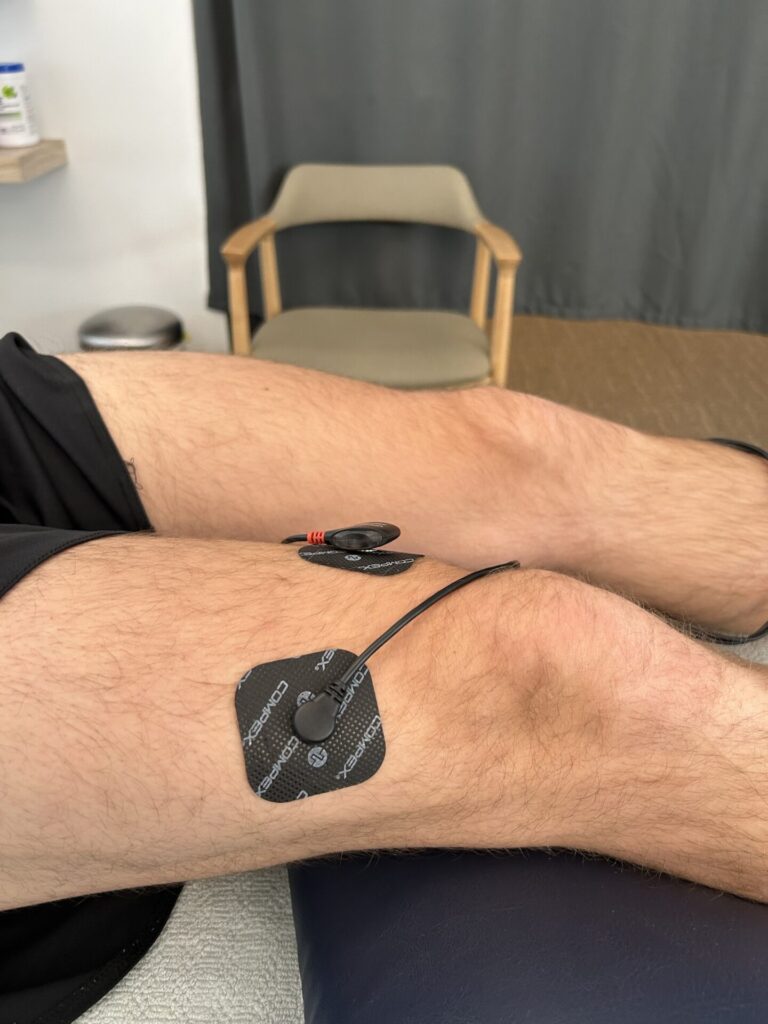
Understanding tendon pain
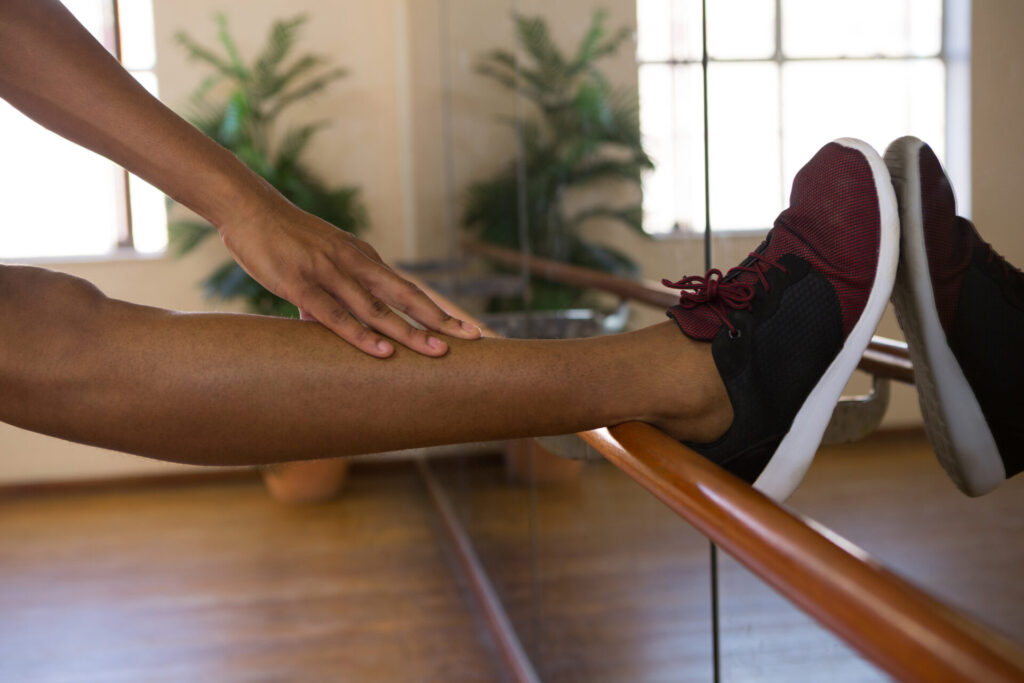
Tendons play a vital role in the way your body moves. They attach muscle to bone and contain strong collagen fibres designed to handle load. But tendons don’t have many blood vessels, which means they heal more slowly than muscle. When a tendon is exposed to excessive stress—too quickly, too often, or without sufficient recovery—it becomes irritated and painful.
Most tendon pain develops from overload. This could be due to a poorly structured training program, a sudden jump in activity, or biomechanics that place extra strain on the tendon. Less commonly, tendon pain comes from trauma, certain medications, or hormone imbalance.
Tendon irritation tends to build gradually. Many people push through the early ache, only seeking help once the tendon becomes more painful or starts affecting their daily routine. The earlier the issue is identified, the better your chances of a quick recovery. Untreated tendons often degenerate over time, making the condition harder to settle.
Common tendon conditions we treat
We see a wide range of tendon-related issues across all ages and activity levels. If you’re not sure which condition applies to you, that’s completely normal. Tendon pain often presents similarly across the body. A proper assessment will identify the exact structure involved.
-
Tennis elbow and golfer’s elbow
-
Tennis elbow and golfer’s elbow both involve irritation of the tendons around the elbow, usually caused by repetitive gripping, lifting or twisting. The pain often develops slowly and becomes noticeable when you pick up objects, turn a door handle, or use your hands for more extended periods. Many people feel a sharp or burning ache on either the outside or inside of the elbow.
These conditions are common in individuals who perform repetitive manual work, use tools, work at a computer for extended periods, or lift weights without proper technique. If the tendon doesn’t settle early, it can become sensitive and weak, making everyday activities harder. Treatment focuses on reducing irritation, improving grip strength, and correcting the movement patterns that overload the tendon.
-
Rotator cuff pain
-
Rotator cuff pain refers to irritation in one or more of the shoulder tendons. These tendons help stabilise the shoulder and guide smooth movement. When overloaded, they can become sore, tight and irritated, especially with overhead lifting, reaching behind the back, or lying on the affected shoulder.
People often notice weakness or sharp pain when lifting everyday items such as bags, groceries or washing baskets. Poor posture, muscle imbalance and repetitive overhead activity usually contribute to the issue. Treatment aims to restore mobility in the shoulder, strengthen the rotator cuff muscles, and improve the way the shoulder blade supports movement.
-
Achilles tendinopathy and plantar fascia pain
-
Achilles tendinopathy typically presents as stiffness or aching at the back of the heel, particularly during the first few steps in the morning or after prolonged periods of sitting. The Achilles tendon bears a significant amount of load during walking and running, so even slight changes in activity or footwear can lead to irritation. Over time, the tendon may thicken, tighten or lose strength, making exercise uncomfortable.
Plantar fascia pain affects the band of tissue on the underside of the foot. It commonly causes a sharp, first-step pain in the morning or after a period of rest. This condition is often linked to changes in foot biomechanics, sudden increases in activity or jobs that require long hours standing. Treatment for both conditions focuses on load management, improving foot and ankle mechanics, and progressive strengthening to support healthy movement.
-
Patellar tendon pain
-
Patellar tendon pain is felt at the front of the knee, just below the kneecap. It often affects people who engage in activities such as jumping, running, squatting, or climbing stairs, but it can also occur after prolonged periods of sitting or kneeling. The tendon becomes irritated when it’s asked to absorb more force than it can handle, particularly during repeated bending and straightening of the knee.
If not managed early, the tendon may become stiff and sensitive during daily tasks. Treatment includes improving hip and knee strength, correcting lower-limb alignment, and rebuilding the tendon’s capacity to handle load safely. This helps you move with less pain and return to activity with confidence.
-
Glute tendinitis and bursitis
-
Glute tendinitis and bursitis cause pain on the outside of the hip, often described as a deep, aching discomfort. This pain can worsen when walking uphill, climbing stairs, lying on the affected side or standing for long periods. The gluteal tendons work hard to stabilise the pelvis, so any imbalance, weakness or overload can quickly irritate the area.
Bursitis (irritation of the fluid-filled sacs over the hip) often develops alongside tendon pain. Both conditions respond well to targeted strengthening, hands-on treatment and improving the way your hips and pelvis manage load. Identifying contributing factors, such as foot posture, gait patterns, and muscular weakness, is key to long-term improvement.
-
Hamstring tendon issues
-
Hamstring tendon pain typically appears around the sitting bone or the back of the thigh. It often develops in people who run, cycle or sit for long periods. The tendon becomes irritated when it’s repeatedly stretched or loaded without enough recovery. Many people feel a deep ache when bending forward, sitting on hard surfaces, or accelerating during sport.
If the tendon becomes chronically overloaded, it may start to feel tight, weak or sensitive. Treatment involves strengthening the hamstrings and glutes, improving pelvic control and releasing tight surrounding muscles. A structured loading plan helps the tendon tolerate everyday activities and return to sport safely.
-
De Quervain’s
-
De Quervain’s affects the tendons on the thumb side of the wrist. It causes sharp pain when gripping, lifting or twisting, especially motions like holding a baby, using tools, opening jars or typing. Swelling around the tendon sheath can make the area sensitive and restrict smooth tendon movement.
This condition often develops from repetitive hand use or poor wrist positioning. Treatment focuses on calming irritation, improving the strength and endurance of the thumb muscles, and correcting the movement patterns that overload the wrist. Hands-on therapy and load modification typically provide significant relief.
-
Calcific tendinosis
-
Calcific tendinosis occurs when calcium deposits form within a tendon, most commonly in the shoulder. These deposits can create sharp, intense pain or restrict movement, especially when lifting the arm. Some people also feel a constant dull ache or significant discomfort at night.
The condition often develops for reasons not fully understood, but poor load tolerance, reduced blood flow and tendon degeneration can contribute. Treatment aims to reduce inflammation, restore mobility and improve tendon strength. Shockwave therapy is particularly effective in breaking down calcium deposits and promoting healing.
Tennis elbow and golfer’s elbow both involve irritation of the tendons around the elbow, usually caused by repetitive gripping, lifting or twisting. The pain often develops slowly and becomes noticeable when you pick up objects, turn a door handle, or use your hands for more extended periods. Many people feel a sharp or burning ache on either the outside or inside of the elbow.
These conditions are common in individuals who perform repetitive manual work, use tools, work at a computer for extended periods, or lift weights without proper technique. If the tendon doesn’t settle early, it can become sensitive and weak, making everyday activities harder. Treatment focuses on reducing irritation, improving grip strength, and correcting the movement patterns that overload the tendon.
Rotator cuff pain refers to irritation in one or more of the shoulder tendons. These tendons help stabilise the shoulder and guide smooth movement. When overloaded, they can become sore, tight and irritated, especially with overhead lifting, reaching behind the back, or lying on the affected shoulder.
People often notice weakness or sharp pain when lifting everyday items such as bags, groceries or washing baskets. Poor posture, muscle imbalance and repetitive overhead activity usually contribute to the issue. Treatment aims to restore mobility in the shoulder, strengthen the rotator cuff muscles, and improve the way the shoulder blade supports movement.
Achilles tendinopathy typically presents as stiffness or aching at the back of the heel, particularly during the first few steps in the morning or after prolonged periods of sitting. The Achilles tendon bears a significant amount of load during walking and running, so even slight changes in activity or footwear can lead to irritation. Over time, the tendon may thicken, tighten or lose strength, making exercise uncomfortable.
Plantar fascia pain affects the band of tissue on the underside of the foot. It commonly causes a sharp, first-step pain in the morning or after a period of rest. This condition is often linked to changes in foot biomechanics, sudden increases in activity or jobs that require long hours standing. Treatment for both conditions focuses on load management, improving foot and ankle mechanics, and progressive strengthening to support healthy movement.
Patellar tendon pain is felt at the front of the knee, just below the kneecap. It often affects people who engage in activities such as jumping, running, squatting, or climbing stairs, but it can also occur after prolonged periods of sitting or kneeling. The tendon becomes irritated when it’s asked to absorb more force than it can handle, particularly during repeated bending and straightening of the knee.
If not managed early, the tendon may become stiff and sensitive during daily tasks. Treatment includes improving hip and knee strength, correcting lower-limb alignment, and rebuilding the tendon’s capacity to handle load safely. This helps you move with less pain and return to activity with confidence.
Glute tendinitis and bursitis cause pain on the outside of the hip, often described as a deep, aching discomfort. This pain can worsen when walking uphill, climbing stairs, lying on the affected side or standing for long periods. The gluteal tendons work hard to stabilise the pelvis, so any imbalance, weakness or overload can quickly irritate the area.
Bursitis (irritation of the fluid-filled sacs over the hip) often develops alongside tendon pain. Both conditions respond well to targeted strengthening, hands-on treatment and improving the way your hips and pelvis manage load. Identifying contributing factors, such as foot posture, gait patterns, and muscular weakness, is key to long-term improvement.
Hamstring tendon pain typically appears around the sitting bone or the back of the thigh. It often develops in people who run, cycle or sit for long periods. The tendon becomes irritated when it’s repeatedly stretched or loaded without enough recovery. Many people feel a deep ache when bending forward, sitting on hard surfaces, or accelerating during sport.
If the tendon becomes chronically overloaded, it may start to feel tight, weak or sensitive. Treatment involves strengthening the hamstrings and glutes, improving pelvic control and releasing tight surrounding muscles. A structured loading plan helps the tendon tolerate everyday activities and return to sport safely.
De Quervain’s affects the tendons on the thumb side of the wrist. It causes sharp pain when gripping, lifting or twisting, especially motions like holding a baby, using tools, opening jars or typing. Swelling around the tendon sheath can make the area sensitive and restrict smooth tendon movement.
This condition often develops from repetitive hand use or poor wrist positioning. Treatment focuses on calming irritation, improving the strength and endurance of the thumb muscles, and correcting the movement patterns that overload the wrist. Hands-on therapy and load modification typically provide significant relief.
Calcific tendinosis occurs when calcium deposits form within a tendon, most commonly in the shoulder. These deposits can create sharp, intense pain or restrict movement, especially when lifting the arm. Some people also feel a constant dull ache or significant discomfort at night.
The condition often develops for reasons not fully understood, but poor load tolerance, reduced blood flow and tendon degeneration can contribute. Treatment aims to reduce inflammation, restore mobility and improve tendon strength. Shockwave therapy is particularly effective in breaking down calcium deposits and promoting healing.
Our thorough tendon assessment process
Tendon pain rarely occurs in isolation. That’s why we look beyond the painful area to understand the full picture. A clear diagnosis helps us build a tailored treatment plan that focuses on both short-term relief and long-term resilience.
At EastWest Physiotherapy, your assessment focuses on identifying all factors that contribute to tendon stress, including:
Checking for nerve irritation
Sometimes nerve sensitivity can mimic or amplify tendon pain. We screen for this to ensure you get the right treatment.
Identifying myofascial imbalances
Tight or overactive muscles can alter the load placed on a tendon. Release work or targeted strengthening may be needed.
Analysing biomechanics
How you move matters. We look at gait, posture, joint alignment and functional movement patterns to see where load is being placed and where it shouldn’t be.
Assessing muscle strength
Weakness in key muscle groups is a common driver of tendinopathy. We identify these gaps and design a strengthening plan that supports the tendon’s recovery.
Considering foot posture and load distribution
Your feet are your foundation. If they roll in, roll out, or don’t provide adequate support, the load can shift up the chain. When required, we can prescribe custom orthotics to support better biomechanics.
Shockwave therapy: one of the most effective treatments for tendon pain
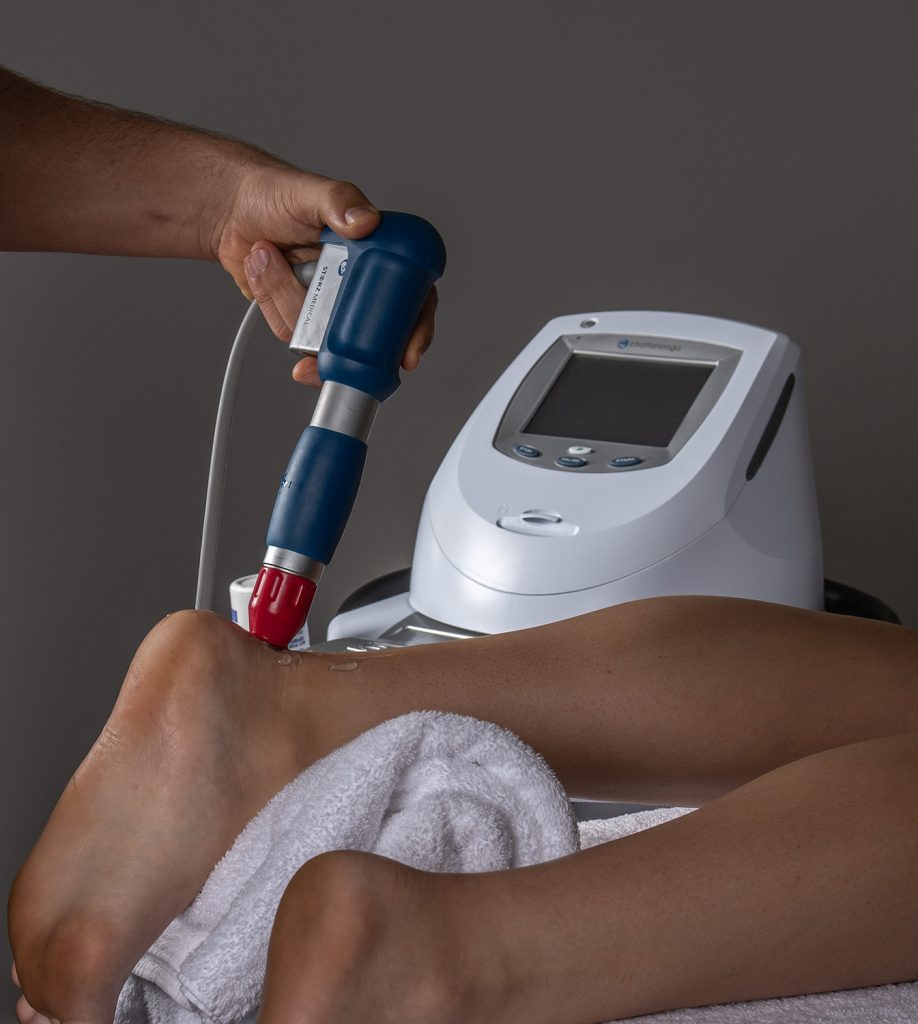
Shockwave therapy is one of the most reliable and research-supported treatments for tendon issues. It uses mechanical sound waves to stimulate tissue healing in a way that the body can’t achieve on its own.
How shockwave therapy helps tendons heal
- Increases blood circulation to an area that naturally has poor blood supply
- Reduces nerve sensitivity so movement becomes more comfortable
- Calms neurogenic inflammation, which can prolong pain
- Stimulates a stem cell response to regenerate tendon tissue
- Breaks the chronic cycle of irritation and degeneration.
Research suggests an approximately 85% success rate for shockwave therapy in treating tendon conditions. It’s fast, targeted, and suitable for most individuals, including athletes, desk workers, and older adults.
At EastWest Physiotherapy, we combine shockwave therapy with a tailored exercise loading program, which is crucial for achieving long-term healing.
Building tendon strength with a personalised exercise program
Tendons recover through load, but it has to be the right type, at the right time, and at the right intensity. That’s why a supervised exercise program is a core part of your treatment plan.
Your tendon exercise program may include:
- Isometric exercises to reduce pain
- Strength progressions to rebuild tendon capacity
- Functional movement training to support everyday tasks
- Flexibility work and myofascial release, where appropriate
- Return-to-activity planning to help you resume sport or exercise safely.
This structured approach ensures your tendon becomes stronger, more durable, and able to handle the load of daily life.

Why choose EastWest Physiotherapy for tendon care?
You’re not getting a quick fix; you’re getting a complete solution. We combine hands-on therapy, shockwave treatment, targeted strengthening and biomechanical correction to help you achieve a long-lasting result.
Our team has years of experience treating tendon issues across the body, and we take the time to understand your individual goals, whether that’s returning to sport, improving mobility, or simply reducing pain during daily tasks.
Book your free 10-minute consultation
Tendon pain doesn’t need to become a long-term problem. If you’re unsure what’s causing your pain or which treatment is right for you, book a free 10-minute consultation with one of our physiotherapists. We’ll assess your symptoms, explain your likely diagnosis, and recommend your best treatment options.