Introduction
We’ve all heard the term ‘pinched nerve’, but what does it actually mean? Many people assume it’s just another name for a sore neck or back, but nerve pain behaves very differently from muscle or joint pain — and knowing the difference is key to recovery.
Common signs of chronic nerve irritation include:
- Muscles that never seem to relax — especially in the traps, hamstrings, or along the spine
- A sense of “over-guarding” through the back and neck
- Persistent “knots” that return soon after massage
- Tingling, pins and needles, or numbness in certain postures
These are clues that the nerve is under stress; either compressed, irritated, or not gliding smoothly, rather than just a tight muscle.

Myth 1: All Pain Feels the Same
Fact: Nerve pain has a very distinct signature.
While muscle or joint pain tends to be dull, aching, or localised, nerve pain often feels sharp, burning, or shooting. It can travel along a nerve’s pathway — for example, from the neck into the shoulder and arm, or from the lower back into the buttock or leg.
You might also notice muscle weakness or changes in sensation, which are tell-tale signs of nerve involvement.
Myth 2: A Pinched Nerve Means Something Is Stuck
Fact: Nerves aren’t literally trapped, but they can be compressed or irritated as they pass through tight or overloaded tissues.
Nerves travel through small spaces between muscles, fascia, and joints. When those spaces become restricted, from poor posture, repetitive strain, or muscle tension, the nerve can become irritated or hypersensitive.
Common sites of nerve compression include:
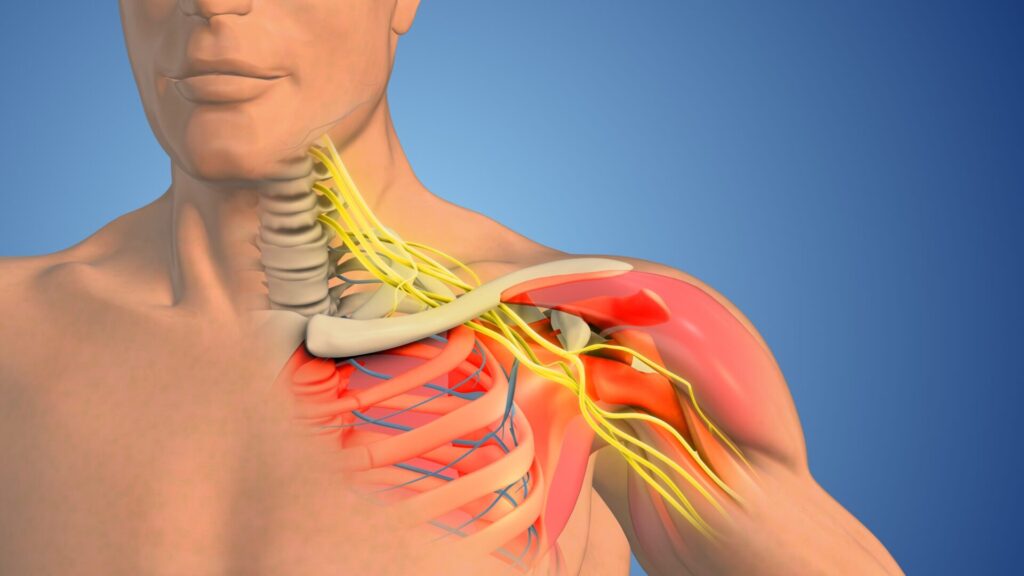
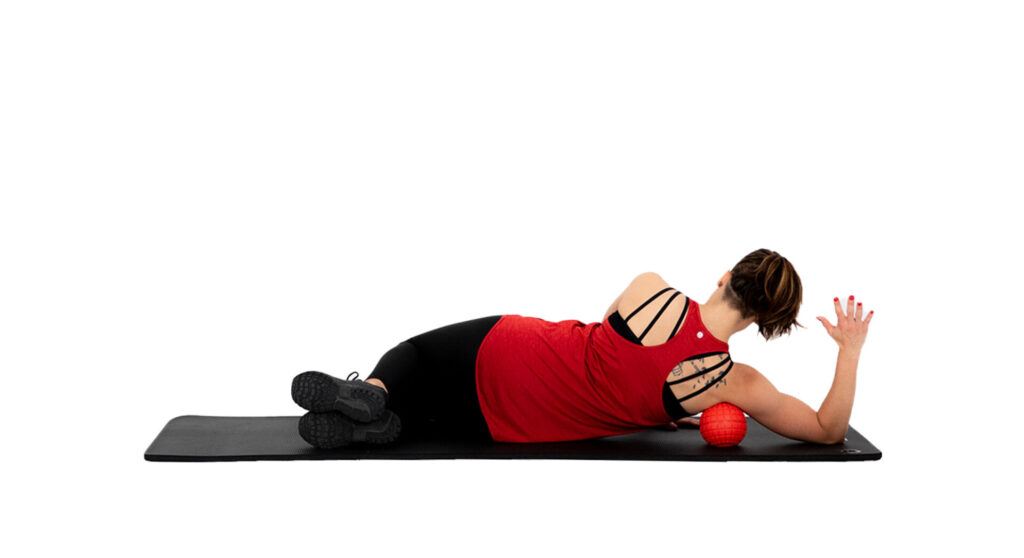
- Pectoralis minor – Tightness here (often from rounded-shoulder posture or lots of desk work) can compress the brachial plexus, the main nerve bundle supplying the arm.
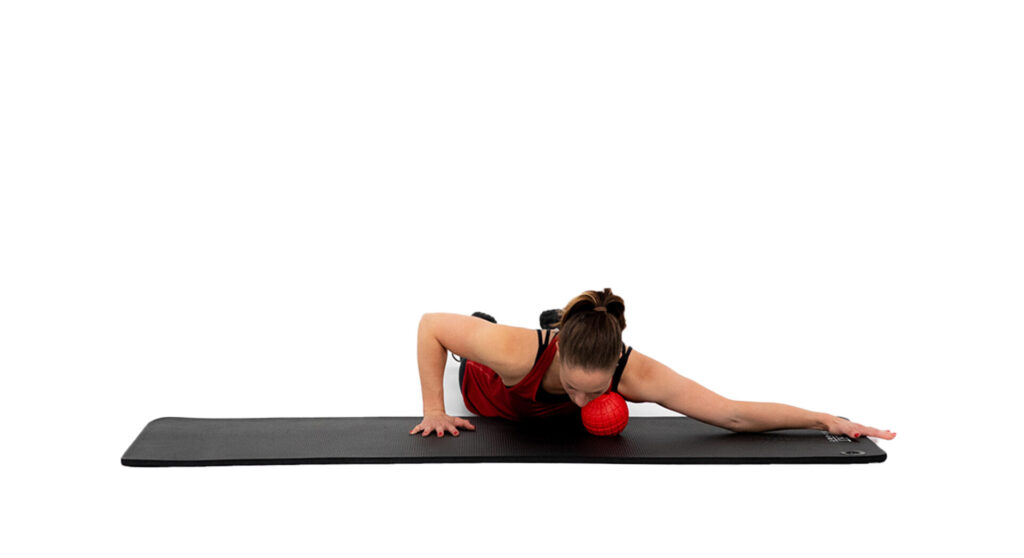
- Scalenes and subclavius – These small muscles at the front of the neck and under the collarbone can restrict nerve flow, contributing to thoracic-outlet-type symptoms like tingling down the arm or into the hand.
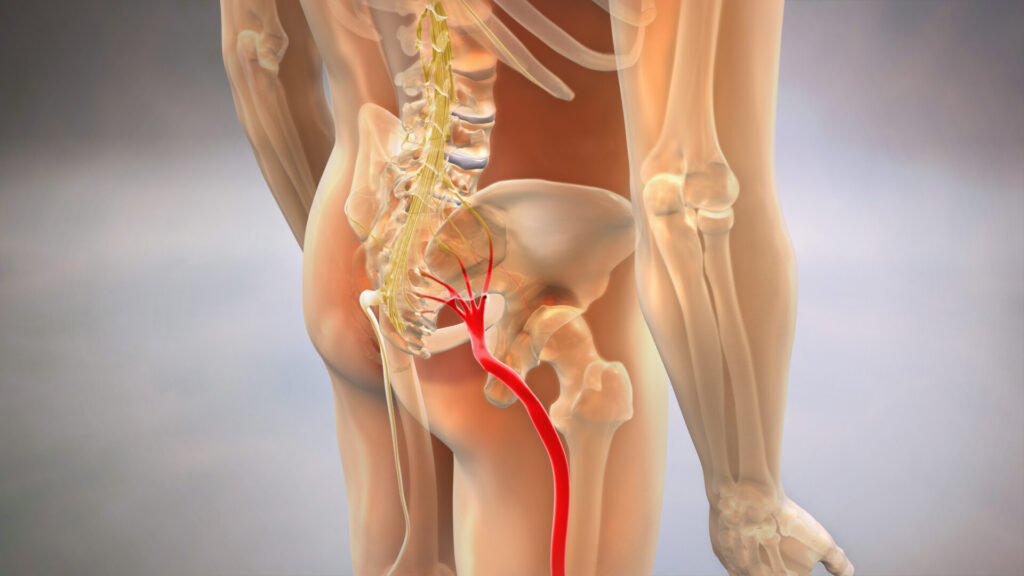
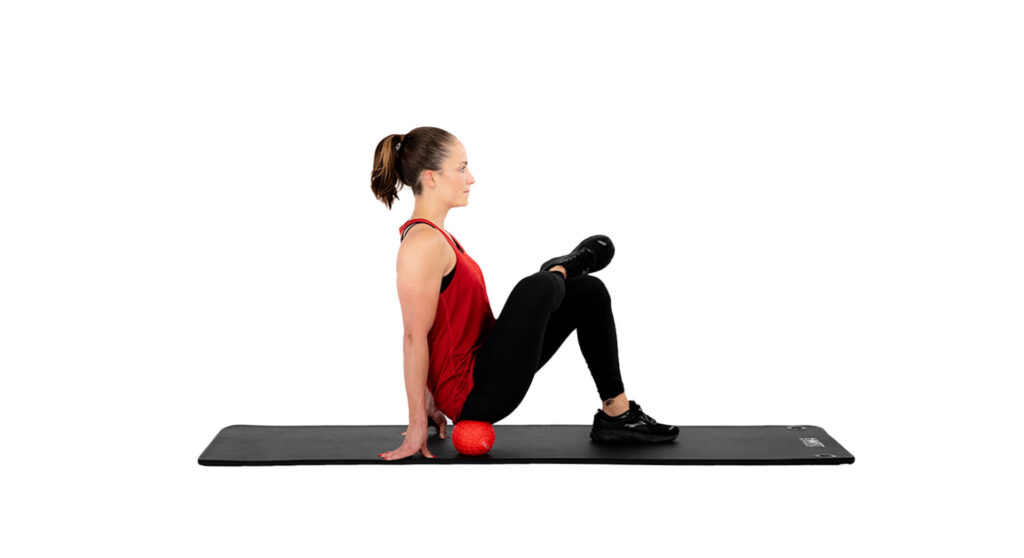
(Image : brachial plexus nerve network in the shoulder structure) - Deep hip rotators (including piriformis) – These muscles stabilise the hip but can tighten and compress the sciatic nerve, causing pain or tingling in the buttock or leg.
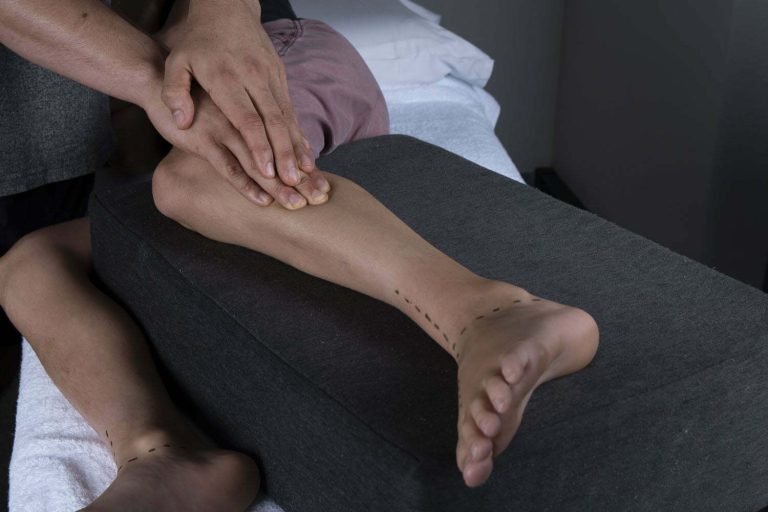
(Image : sciatic pinched nerve) - Fibularis (peroneal) muscles – Tightness around the outer calf can irritate the common fibular nerve, leading to tingling or weakness around the shin or foot.
These examples show that nerve irritation isn’t always from the spine, sometimes the restriction happens further along the nerve’s pathway. That’s why an accurate assessment matters; releasing the right area often brings quick relief.
Myth 3: You Just Need to Rest It
Fact: Nerves respond best to movement — not total rest.
Gentle, guided motion helps reduce inflammation and restore the nerve’s ability to slide and glide normally again. Prolonged rest can make the surrounding muscles tighten further and slow recovery.
At Eastwest Physiotherapy, our team have a special interest in neuro-myofascial release; an objective, hands-on approach that targets the tight fascial layers contributing to nerve compression in the periphery. By releasing these restrictions and restoring normal tissue movement, we help reduce neural tension and improve mobility far more effectively than rest alone.

Myth 4: Scans Always Show the Problem
Fact: You can’t always see nerve compression on medical imaging.
While MRI or nerve-conduction studies can sometimes identify major issues like a large disc bulge or structural narrowing, they often miss the subtle but painful causes of nerve irritation — especially those related to tight fascia, muscular compression, or postural load.
Many of the most common peripheral nerve entrapments simply, even though they cause real, persistent symptoms such as tingling, burning, weakness, or those knots that never resolve.
That’s where a clinical assessment makes all the difference. Skilled physiotherapists can detect these movement and tension based restrictions through targeted testing and palpation, helping you get answers and relief when imaging alone can’t.
How We Fix It at Eastwest Physiotherapy
At Eastwest Physio, we start with a thorough assessment to find where and why the nerve is irritated. We then design a plan to calm it down and restore movement. Treatment may include:
- Manual therapy to ease pressure on the nerve
- Nerve-mobility (flossing) exercises to restore normal motion
- Postural retraining and gentle strengthening
- Education and self-care strategies to prevent recurrence
Our goal is always to get you back to comfortable, confident movement — not just pain-free, but resilient.
Takeaway
Not all pain is created equal. Recognising the difference between muscle tightness and nerve irritation can save you months of frustration and help you get the right treatment early.
If you’re dealing with lingering knots, tingling or nerve related pain travelling into your arm or leg, our team at Eastwest Physiotherapy in Hunters Hill can help you pinpoint the cause and get things moving again.